Do You Need Liquor Liability Insurance for Your Bodega?
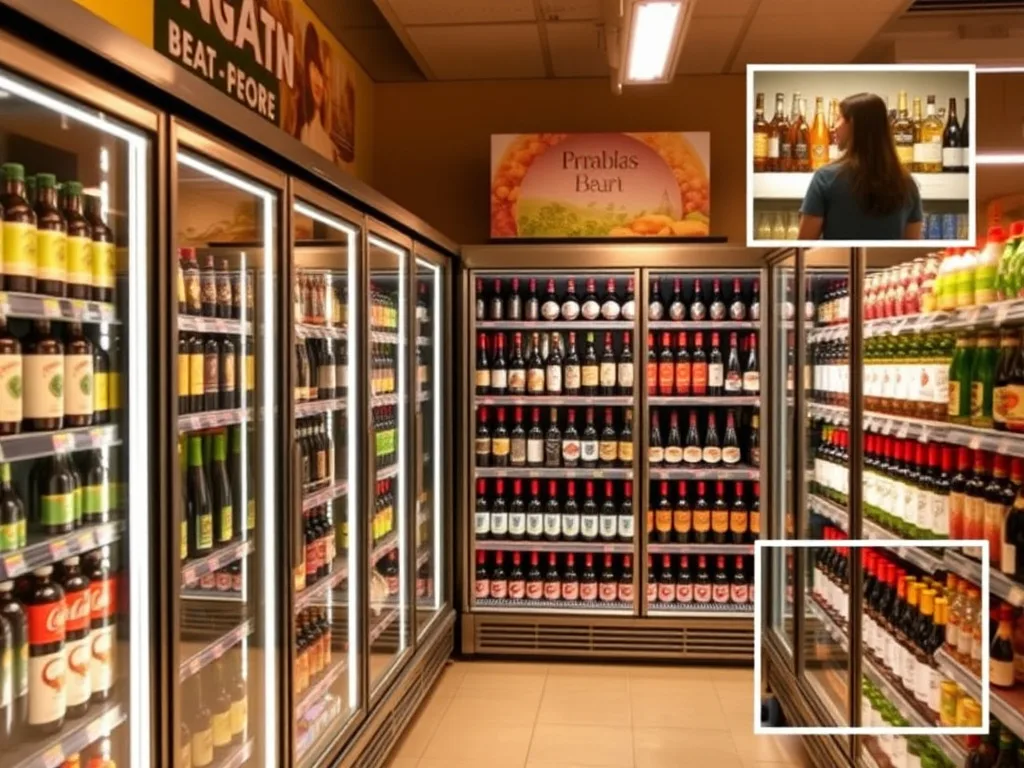
Beer, wine, and lottery are staples of the bodega business model — for many neighborhood stores, alcohol sales are a meaningful share of daily revenue. But the moment a bodega is licensed to sell alcohol, it takes on a category of risk that a standard general liability policy was never built to handle: liability for what happens after that alcohol leaves the counter. That's where liquor liability insurance comes in, and for a lot of bodega owners, it's not optional — it's a condition of the license itself.
What Is Liquor Liability Insurance?
Liquor liability insurance covers claims arising from the sale of alcohol to a customer who then causes injury or property damage — most commonly a drunk-driving accident, but also fights, falls, or other incidents connected to intoxication. It's a separate line of coverage from general liability because most general liability policies specifically exclude alcohol-related claims through what's known as a liquor liability exclusion.
In practice, this means a bodega that sells six-packs and bottles of wine over the counter — but has no liquor liability policy — could be carrying real exposure with no insurance behind it at all. If a claim gets filed, the general liability carrier can simply point to the exclusion and deny it.
Dram Shop Laws: The Legal Basis for the Exposure
The legal concept behind liquor liability is known as "dram shop law" — a term dating back to the era when spirits were sold by the dram, a small unit of liquid measure. Dram shop laws hold businesses that sell alcohol potentially responsible for harm caused by an intoxicated customer after they leave the premises, under certain conditions. The exact trigger varies, but common threads include:
- Selling to a visibly intoxicated person who then causes an accident or injury
- Selling to a minor who then causes harm to themselves or a third party
- Selling alcohol illegally (e.g., outside licensed hours) connected to a resulting incident
Most states have some form of dram shop liability on the books, though the specifics — who can sue, what has to be proven, and whether there are caps on damages — differ from state to state. A handful of states limit dram shop liability significantly or apply it only in narrow circumstances. That variation is exactly why this is treated as a general legal framework here rather than a state-by-state guide.
Because dram shop rules and liquor licensing requirements are set at the state (and sometimes municipal) level, always confirm the current rules with your state's Alcoholic Beverage Control (ABC) board or department of revenue — the agency that issued your liquor license is the authoritative source.
The Licensing Connection: Why This Often Isn't Optional
For a lot of bodega owners, the real reason liquor liability coverage ends up on the books isn't a philosophical decision about risk management — it's a practical one. Many state and local licensing authorities require proof of liquor liability insurance as part of issuing or renewing a beer, wine, or liquor license. Skip the coverage, and you may not be able to keep selling alcohol at all, regardless of how the exposure is viewed.
This is worth checking early and revisiting at every renewal cycle, since licensing bodies can and do adjust minimum coverage limits and documentation requirements over time. If your bodega is applying for a new liquor license, adding beer and wine sales for the first time, or renewing an existing license, it's worth confirming the current insurance requirement before you assume last year's policy is still sufficient.
What Liquor Liability Typically Covers
A liquor liability policy is generally written to respond to third-party bodily injury or property damage claims tied to the sale or service of alcohol, along with the legal defense costs of responding to those claims — which can add up quickly even when a claim is ultimately unfounded. Coverage is usually written with its own liability limit, separate from your general liability limit, and it can typically be added on top of a broader package policy rather than purchased as a fully standalone product.
What It Costs
Liquor liability is commonly priced in the range of roughly $500 to $2,000 or more per year as an add-on, though the actual premium depends on factors like alcohol sales volume relative to total revenue, store location, claims history, and the liability limit selected. Treat that range as a planning number, not a quote — the only way to know your actual cost is to get a quote based on your store's specifics.
Putting It Together
If your bodega sells beer, wine, or liquor, the practical question usually isn't whether you need liquor liability insurance — it's whether your current policy already excludes it, and whether your coverage still matches what your state's licensing authority requires. A quick review now, before a license renewal or a claim forces the issue, is a lot cheaper than finding out the hard way that a policy doesn't respond.
Not sure if your current policy covers alcohol sales, or need a quote for liquor liability alongside your general liability and crime coverage? Call 844-967-5247 or email josh@contractorschoiceagency.com for a free quote.
Frequently asked questions
Usually not. Most general liability policies contain a liquor liability exclusion, meaning claims connected to the sale or service of alcohol are specifically carved out. A separate liquor liability policy or endorsement is typically needed to fill that gap.
It depends on your state and local licensing authority. Many states require proof of liquor liability coverage to obtain or renew a beer, wine, or liquor license, but requirements vary. Check with your state's ABC board or department of revenue to confirm what applies to your license.
Dram shop laws are state laws that can hold a business that sells alcohol responsible for injuries or damages caused by an intoxicated customer after they leave the premises — for example, selling to someone who is visibly intoxicated or underage and who then causes an accident. The specifics of when liability applies differ significantly by state.
As a general planning range, liquor liability coverage commonly runs around $500 to $2,000 or more per year as an add-on to a broader policy, depending on your alcohol sales volume, location, and the liability limit you choose. Get a free quote for a number based on your actual store.
More bodega insurance guides
Ready for a real quote on your bodega's coverage?
Tell us about your store and we'll build a policy around how it actually operates — no generic templates, no guesswork.