General Liability Insurance
General liability insurance is the foundational policy every bodega and convenience store carries — it responds when a customer is hurt on your premises, when something you sell makes someone sick, or when your operation damages property that belongs to someone else.
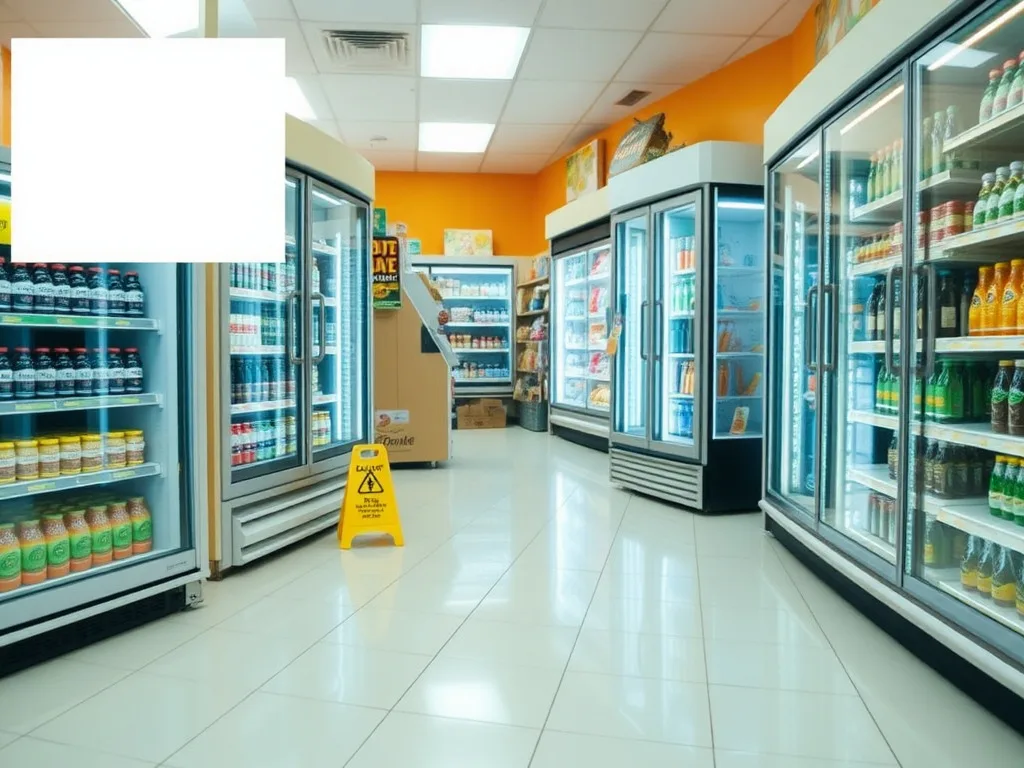
Every day a bodega or corner store is open for business, someone is walking across a floor that might be wet, reaching into a cooler that might be slick with condensation, or buying a sandwich made at your deli counter an hour earlier. Most days end without incident. But a single slip-and-fall, a single foodborne illness complaint, or a single delivery mishap that dents a neighbor's storefront can turn into a claim or lawsuit that costs far more than most independent store owners have set aside in cash reserves.
General liability insurance is the policy built specifically for that gap. It is the coverage landlords require before signing a lease, the coverage wholesalers and distributors expect before extending credit, and the coverage that keeps a single customer-injury claim from becoming an existential threat to a business that took years to build. For a bodega — high foot traffic, refrigerated cases, food service, and constant public access — general liability is not optional coverage to consider later. It is the starting point.
This page walks through what general liability actually covers for a store like yours, the specific everyday risks it's built to handle — slip-and-falls near coolers, injuries from prepared food, and damage your business causes to someone else's property — and what it does not cover, so you can see clearly where other coverages need to pick up the slack.
What's covered
- Covers customer bodily injury claims — including slip-and-fall incidents on wet floors, ice buildup near coolers and freezer cases, and cluttered aisles — for medical costs, legal defense, and settlements or judgments.
- Includes products-completed operations coverage, which responds to claims that food, beverages, or prepared deli items you sold caused illness or injury to a customer.
- Pays for third-party property damage your business causes — a delivery cart that scratches a neighboring storefront, a display that damages a customer's vehicle in your lot, or similar incidents.
- Satisfies the insurance requirement almost every commercial lease includes, and is often required before a distributor, franchisor, or wholesale supplier will open an account.
- Provides legal defense costs even for claims that turn out to be groundless — attorney fees, court costs, and settlement negotiation are covered up to your policy limits, which matters because a defense alone can run into tens of thousands of dollars regardless of outcome.
- Can be bundled with commercial property coverage into a Business Owner's Policy (BOP), which is typically more cost-effective than purchasing each coverage separately.
Ideal for stores that…
- Independently owned bodegas, corner stores, and neighborhood convenience stores
- Stores with a deli counter, hot food bar, or made-to-order sandwich station
- Locations with walk-in coolers, reach-in cases, or beverage coolers near customer walkways
- Store owners who lease their space and need proof of coverage for their landlord
- Owners applying for distributor, wholesaler, or franchise agreements that require proof of general liability
- Multi-register, high-foot-traffic locations in dense urban or transit-adjacent areas
What General Liability Actually Covers
General liability insurance is built around three core categories of risk that apply to nearly every retail business, and all three apply directly to a bodega. The first is bodily injury liability — if a customer, delivery driver, or other visitor is injured on your premises, this coverage pays for their medical expenses, your legal defense, and any settlement or judgment against you. The second is products-completed operations coverage, which extends liability protection to harm caused by something you sold, even after the customer has left your store. The third is property damage liability, which covers damage your business or its employees cause to property belonging to someone else.
Together these three categories are why general liability is described as the 'foundational' policy. It doesn't cover your own building or your own inventory — that's commercial property insurance — and it doesn't cover employee injuries, which fall under workers' compensation. What it covers is your legal responsibility to other people: the customers, delivery partners, and neighbors who interact with your business every day.
General liability policies typically list two limits: a per-occurrence limit (the maximum paid for any single claim) and an aggregate limit (the maximum paid across all claims within the policy period). Understanding both matters because a single serious injury claim can approach your per-occurrence limit on its own, and a store that experiences more than one incident in a policy year needs to know its aggregate limit hasn't already been reduced by an earlier claim. This is one of the reasons many bodega owners choose to layer commercial umbrella coverage on top of their general liability policy rather than simply raising the underlying limit.
Slip-and-Fall: The Everyday Risk Near Every Cooler
Slip-and-fall is the single most common general liability claim a convenience-format retailer will face, and bodegas have more of the conditions that create it than almost any other small retail format. Condensation drips from beverage cooler doors onto tile floors dozens of times a day. Ice tracked in from outside melts near entrances and walk-in freezer doors. Spilled soda, dropped produce, or a leaking freezer case can create a slick spot in an aisle within minutes, long before an employee notices it.
When a customer slips near a cooler, on a wet entryway during a rainstorm, or on ice that formed near a freezer case in winter, the resulting claim can include emergency room costs, follow-up treatment, lost wages, and — if the injury is serious — a lawsuit seeking damages well beyond medical bills. General liability insurance pays for the legal defense of these claims and covers settlements or judgments up to your policy limit, whether the claim resolves quickly with the injured party's insurer or escalates into formal litigation.
Because this is the most frequent claim type bodegas actually file, insurers weigh it heavily — but it's also one of the most preventable. Mats at entrances, visible signage near cooler doors prone to condensation, and a documented floor-check routine won't eliminate the risk, but they reduce both the frequency of incidents and your exposure if a claim is ever contested.
- Condensation pooling below beverage and freezer cooler doors
- Melted ice or snow tracked in near entrances during winter months
- Spilled beverages, dropped produce, or leaking refrigeration units in aisles
- Uneven flooring, torn mats, or cluttered walkways near high-traffic coolers
Product Liability From Food, Beverages & Prepared Deli Items
Most bodegas sell more than packaged goods. Between hot food bars, sandwich stations, coffee counters, and prepared deli items, a modern convenience store often functions as a small food service operation layered on top of a retail store — and that layering brings food-related liability exposure that a pure packaged-goods retailer doesn't face in the same way.
If a customer becomes ill after eating a prepared sandwich, a hot food item held at an unsafe temperature, or a beverage from a fountain machine that wasn't properly cleaned, the resulting claim falls under products-completed operations liability. This is the part of general liability coverage that follows your product out the door — it responds whether the alleged harm happened while the customer was still in the store or hours later at home. Coverage applies to the cost of investigating the claim, defending against it, and paying any settlement or judgment tied to a foodborne illness, choking hazard, allergic reaction, or contamination claim.
This exposure is exactly why insurers ask bodega owners whether they operate a deli counter, sell hot food, or offer made-to-order items — a store with food service typically carries meaningfully more product liability exposure than one selling only sealed, pre-packaged goods, and your policy should be underwritten with that reality in mind rather than treated as an afterthought.
Third-Party Property Damage
General liability also covers damage your business causes to property that belongs to someone else. For a bodega, this typically shows up in a handful of predictable ways: a delivery cart or hand truck that scrapes a neighboring storefront while restocking, a sign or awning that comes loose and damages a parked car, or a spill from your store that seeps into and damages an adjoining tenant's space in a shared retail strip.
These incidents are rarely large in isolated dollar terms compared to a serious bodily injury claim, but they happen with some regularity in dense retail corridors where storefronts, sidewalks, and parking areas sit close together — and without coverage, the repair or replacement cost comes directly out of your business's pocket, along with any legal costs if the property owner pursues a claim rather than accepting a direct settlement.
Property damage claims can also arise from routine deliveries. Beverage distributors, snack vendors, and grocery suppliers move pallets and hand trucks through narrow doorways, shared loading areas, and tight parking lots multiple times a week, and a dented door frame, a cracked curb, or a damaged parked vehicle during a delivery is enough to trigger a claim against your business even when the delivery itself was handled by a third-party driver working on your behalf.
What General Liability Does Not Cover
General liability is foundational, but it is not comprehensive on its own, and understanding its limits matters as much as understanding its coverage. It does not cover damage to your own building, inventory, coolers, or equipment — that's the role of commercial property insurance. It does not cover employee injuries on the job — that falls under workers' compensation, required in most states once you have staff. It does not cover theft, robbery, or employee dishonesty — that's commercial crime insurance, particularly relevant given how frequently convenience-format retail is targeted for robbery. And it typically caps out at a per-occurrence and aggregate limit that can be exhausted by a single severe claim, which is where commercial umbrella insurance adds an extra layer of protection above your general liability limits.
Most bodega owners pair general liability with at least commercial property and, increasingly, commercial umbrella coverage — building a layered policy structure rather than relying on any single policy to absorb every kind of loss a retail food business can face.
What determines the cost of this coverage
Every bodega is different. Here's what typically moves the price of this coverage up or down.
Food service exposure
Stores with a deli counter, hot food bar, or made-to-order sandwich station carry higher product liability exposure than stores selling only sealed, pre-packaged goods, which typically affects premium.
Annual sales volume
General liability premiums are commonly rated in part on gross sales, since higher sales volume generally correlates with higher customer traffic and claim frequency.
Location and foot traffic
Dense urban locations, transit-adjacent stores, and high-foot-traffic corners tend to see more customer visits and, statistically, more slip-and-fall and injury claims.
Claims history
A store with a clean prior claims history typically qualifies for better rates than one with recent slip-and-fall or product liability claims on record.
FAQs about General Liability
Yes. Bodily injury claims from slip-and-fall incidents — including those caused by condensation near cooler and freezer doors, melted ice tracked in from outside, or spills in aisles — are one of the most common claims general liability insurance is built to cover, including medical costs, legal defense, and any settlement or judgment.
Product liability claims tied to food and beverages you sell — including prepared deli items, hot food, and fountain drinks — fall under the products-completed operations portion of a general liability policy. Coverage applies to investigating, defending, and resolving these claims up to your policy limits.
Coverage needs vary by sales volume, whether you operate a deli or hot food service, foot traffic, and your landlord's or distributor's requirements. Many bodegas carry $1 million per occurrence / $2 million aggregate as a starting point, often bundled into a Business Owner's Policy (BOP) alongside commercial property. Our team can help match limits to your specific operation — contact us at 844-967-5247 or josh@contractorschoiceagency.com for a free quote.
Yes. Third-party property damage — such as a delivery cart, hand truck, or signage causing damage to a neighboring storefront or a customer's vehicle — is covered under the property damage liability portion of a general liability policy.
General liability is the essential foundation, but it doesn't cover your building, inventory, or equipment, employee injuries, or theft and robbery. Most bodega owners pair it with commercial property, workers' compensation, and commercial crime coverage, and often add commercial umbrella insurance for extra protection above their general liability limits.
Related coverages to consider
Get your free general liability quote
Tell us about your store and we'll put together a clear, no-obligation quote — coverage built around how a bodega actually operates.