Protecting Your Bodega from Robbery and Theft: Insurance and Prevention
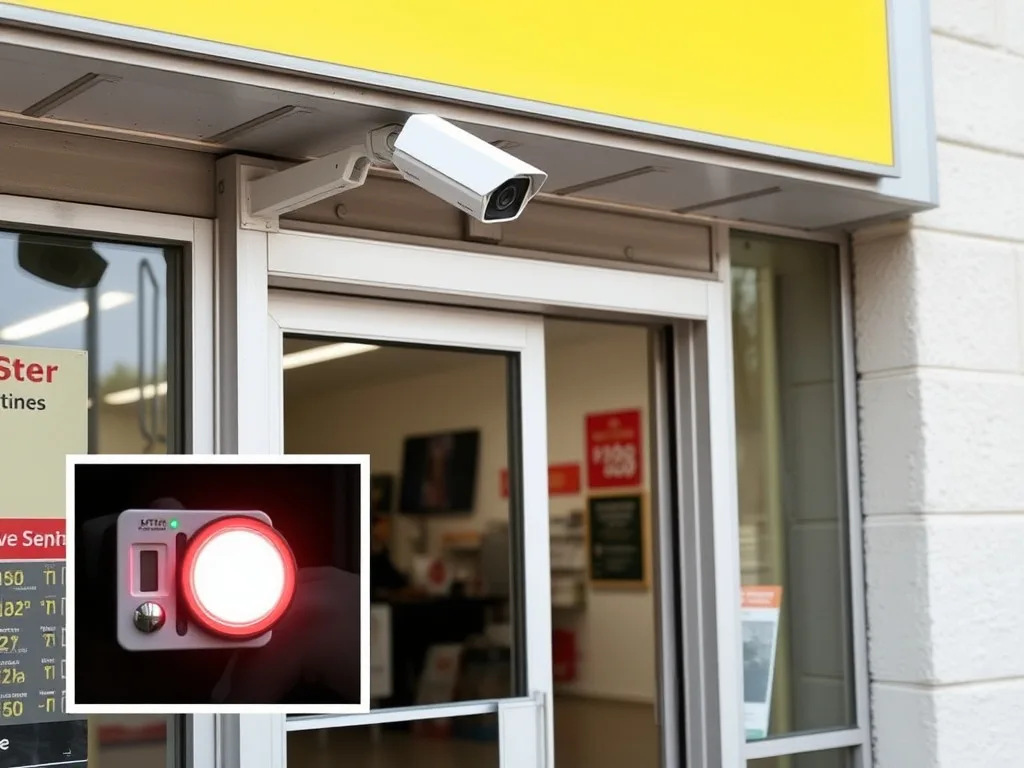
Ask any bodega owner what keeps them up at night and robbery is usually near the top of the list. Convenience-style retail is consistently cited as one of the most frequently robbed categories of small business, and it's not hard to see why: cash registers with money on hand, long or late operating hours, high-turnover inventory like cigarettes, lottery tickets, and beer or wine, and often just one employee working the counter alone. That combination makes bodegas a documented target in a way that a lot of other small businesses simply aren't.
The good news is that this risk is well understood, which means there are real, proven ways to reduce it — and real insurance built specifically to pay for what happens when prevention isn't enough. This post covers both halves of the equation: how Commercial Crime Insurance actually works, and the practical, low-cost prevention steps that make a genuine difference on the ground.
What Commercial Crime Insurance Actually Pays For
It's a common misconception that a standard property or general liability policy covers robbery losses. It usually doesn't — or not fully. Commercial Crime Insurance (Theft & Robbery) is a distinct coverage line built around exactly the exposures a bodega faces every day. Depending on how the policy is structured, it typically responds to:
- Robbery and burglary of cash from the register or safe
- Theft or burglary of merchandise — tobacco, lottery stock, beer and wine, and other high-value inventory
- Employee dishonesty and till-tapping, including cash skimming or manipulated point-of-sale transactions
- Forgery of checks or negotiable instruments accepted at the counter
- Safe-cracking or forced entry into a safe or cash management system
- Loss of money and securities in transit, such as during a bank deposit run
That last point matters more than owners often realize: a lot of robbery exposure isn't at the register at all, it's during the walk or drive to the bank. Money and securities coverage is usually written to include loss while funds are being transported, not just while sitting in the store.
Coverage limits and sub-limits vary widely by policy — a bodega with a heavier lottery and alcohol mix, higher average cash on hand, or a history of prior incidents will typically carry (and need) a higher crime limit than a smaller, cash-light operation. There's no single number that fits every store, which is exactly why a policy should be built around your actual sales volume, staffing pattern, and hours rather than a generic package.
Commercial Crime Insurance is written as its own coverage line — it is not automatically bundled into a general liability or property policy. If robbery and employee theft haven't been discussed specifically with your agent, assume they aren't covered yet.
Prevention: The Other Half of the Equation
Insurance is there for when something happens despite your best efforts — but the businesses that make the fewest claims are almost always the ones that have made robbery harder, slower, and less rewarding for anyone considering it. None of the following requires a major capital investment, and most pay for themselves in reduced losses and, in many cases, better insurance terms over time.
Cash Handling Procedures
The single biggest lever most bodegas can pull is simply keeping less cash exposed at the register. Frequent safe drops — moving cash from the drawer to a time-delay or drop safe every hour or two, or after every large transaction — mean there's rarely more than a small, predictable amount visible or accessible to a would-be robber. Posting a small sign noting that minimal cash is kept on hand is itself a deterrent. Pair that with a locked drop safe bolted to the floor, varied bank deposit times and routes, and never having a single employee carry a deposit alone if it can be avoided.
Cameras and Lighting
Visible, well-placed cameras covering the register, entrances, and back room — recording to off-site or cloud storage so footage can't be destroyed on-site — remain one of the most effective deterrents available. Lighting matters just as much: well-lit storefronts, parking areas, and back entrances reduce the appeal of a location for anyone casing it, and good exterior lighting is often inexpensive relative to what it prevents.
Safes and Access Control
A quality drop safe or time-delay safe, properly secured and out of view from the sales floor, is worth more than almost any other single upgrade. Limiting who has combinations or keys, changing access codes when staff turnover happens, and keeping the back office and stockroom locked when not in use all reduce both external robbery risk and internal theft exposure.
Employee Training
Staff — especially solo overnight or late-shift employees — should have clear, practiced procedures for a robbery: comply, don't resist, hit a silent alarm if available, and know exactly what to do (and not do) afterward to preserve evidence for police and for a claim. Training also covers the internal side: dual controls on register counts, regular reconciliation, and a clear reporting path if something looks off, which helps deter and catch employee dishonesty before it becomes a large loss.
None of this eliminates risk entirely — bodegas will likely always be a target given the nature of the business. But between the right Commercial Crime coverage and a handful of consistent, low-cost prevention habits, most stores can meaningfully reduce both the odds of an incident and the financial impact if one occurs.
If you're not sure whether your current policy actually includes robbery, burglary, and employee dishonesty coverage — or at what limits — a quick review is worth it. Call 844-967-5247 or email josh@contractorschoiceagency.com for a free quote and a plain-language look at what's actually in your policy today.
Frequently asked questions
No. General liability covers third-party bodily injury and property damage claims, not the loss of cash or merchandise from a robbery or burglary. That's what Commercial Crime Insurance is specifically designed to address.
Yes — most Commercial Crime policies include employee dishonesty coverage, which addresses internal theft such as till-tapping, cash skimming, or manipulated transactions, in addition to external robbery and burglary.
Many Commercial Crime policies include coverage for money and securities while in transit, such as during a deposit run, not just while the funds are on the premises. Confirm this specifically with your agent, since limits for in-transit loss can differ from in-store limits.
Frequent cash drops into a locked drop safe, keeping only minimal cash in the register at any time, is generally considered the highest-impact, lowest-cost step a bodega can take — it directly reduces both the incentive for robbery and the size of any loss if one occurs.
More bodega insurance guides

Ready for a real quote on your bodega's coverage?
Tell us about your store and we'll build a policy around how it actually operates — no generic templates, no guesswork.