Liquor Liability Insurance
Liquor liability insurance protects bodegas and convenience stores licensed to sell beer, wine, or liquor from claims tied to the sale of alcohol to customers, including dram shop exposure most states recognize in some form.
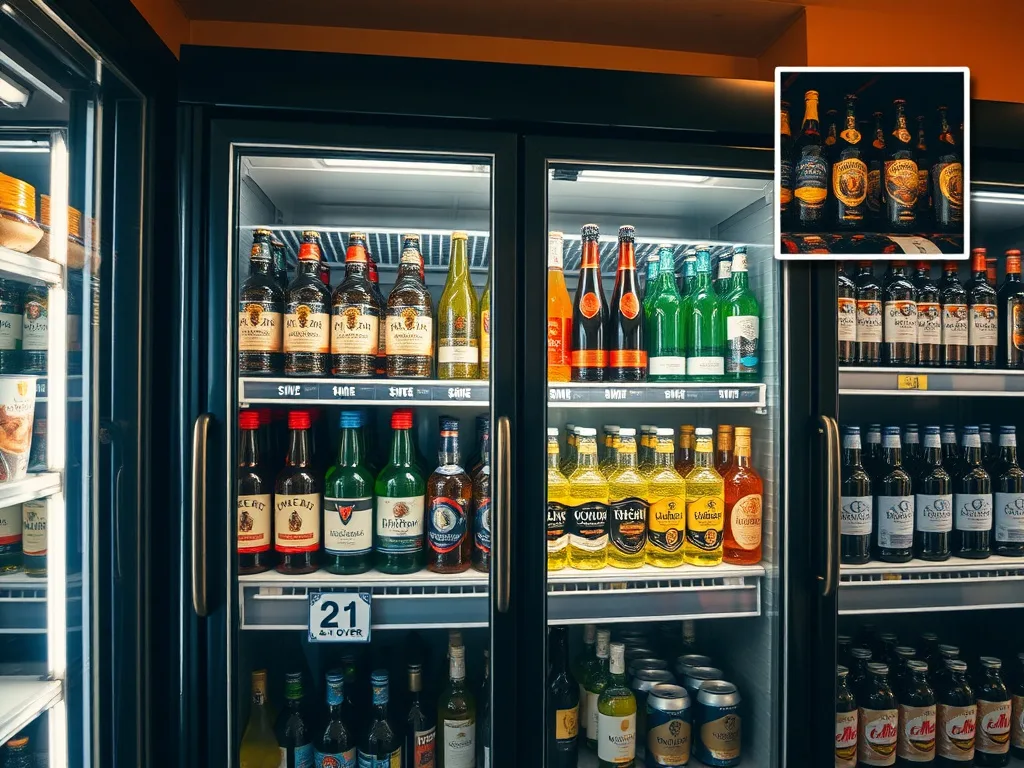
If your bodega is licensed to sell beer, wine, or liquor, you are carrying a type of exposure that a standard general liability policy is not built to handle: liability arising from the sale of alcohol itself. This is where liquor liability insurance, sometimes called dram shop coverage, comes in.
Most states impose some version of dram shop liability on businesses that sell alcohol, meaning a store can be held responsible in certain circumstances connected to an alcohol sale, most commonly when alcohol is sold to a minor or to someone who is visibly intoxicated. A general liability policy typically excludes these liquor-related claims entirely, which leaves a gap exactly where a store that sells beer, wine, or liquor needs protection most.
For many bodegas, liquor liability insurance is not optional in a practical sense. State and local liquor licensing authorities frequently require proof of liquor liability coverage before issuing or renewing a liquor license, which means this policy can be tied directly to your ability to keep selling alcohol at all.
Because dram shop laws and licensing requirements vary significantly by state, this page covers the coverage in general terms. For the specifics that apply to your store, check with your state's ABC (Alcoholic Beverage Control) board or department of revenue, and talk with a licensed agent who can confirm what your state and local jurisdiction require.
What's covered
- Covers legal defense costs and damages arising from bodily injury or property damage connected to the sale of alcohol at your store, subject to policy terms
- Helps satisfy state and local liquor license requirements that call for proof of liquor liability coverage
- Addresses dram shop exposure, the liability many states place on alcohol sellers when a sale contributes to injury or damage caused by the person who purchased it
- Fills the gap left by general liability policies, which typically exclude liquor-related claims outright
- Can extend to claims involving underage sales or sales to a visibly intoxicated customer, two of the most common triggers for dram shop claims
- Supports lenders, landlords, and licensing bodies who may require proof of liquor liability coverage as a condition of doing business
Ideal for stores that…
- Bodegas and convenience stores licensed to sell beer and wine
- Stores with a full liquor license selling spirits where permitted
- Any store applying for a new liquor license or renewing an existing one
- Locations near bars, restaurants, or nightlife areas with higher foot traffic and late-hour alcohol sales
- Stores that sell alcohol during extended or late-night hours
- Owners who already carry general liability but have never confirmed whether alcohol sales are excluded from that policy
What Liquor Liability Insurance Covers
Liquor liability insurance is designed to respond to claims that arise specifically because your store sold alcohol. That is a narrower, more specific trigger than the general "third party gets hurt on your premises" claims that general liability handles.
In practice, the coverage typically applies to situations where a claim alleges that your store's sale of beer, wine, or liquor to a particular customer contributed to injury or damage caused by that customer after the sale. Depending on your state's dram shop law and your policy's terms, that can include a customer who caused an accident after being sold alcohol while already visibly intoxicated, or a sale made to a minor who then caused harm to themselves or someone else.
The policy generally covers the legal defense costs of responding to these claims, in addition to settlements or judgments up to your policy limits. Legal defense alone can be a significant cost even when a claim is ultimately found to be without merit, which is one of the most immediate, practical reasons store owners carry this coverage.
Why Bodegas Selling Alcohol Need This Coverage
A bodega that sells beer, wine, or liquor is doing something a typical retail store is not: transferring a product that, when misused, can lead directly to injury, property damage, or worse for a third party. Regulators, courts, and insurers all treat that differently than selling groceries or snacks, which is exactly why a separate liquor liability policy exists.
This exposure is not theoretical for a neighborhood bodega. Beer and wine sales are often a meaningful part of daily revenue, sales frequently happen quickly at a busy register with a single cashier verifying age and sobriety in the moment, and stores are sometimes open late into the night when the risk profile of who is buying alcohol, and why, changes.
General liability insurance is not a substitute here. Most general liability policies contain a liquor liability exclusion, meaning a claim tied to an alcohol sale would not be covered at all under that policy, regardless of how the incident happened. Liquor liability insurance exists specifically to close that gap.
It also matters that this exposure sits with the store, not just the individual employee who rang up the sale. Even when a cashier follows store policy and checks ID, a claim can still be filed naming the business, and the business is the one that needs a policy in place to respond to it, cover legal defense, and protect the owner's personal assets from being pulled into the dispute.
- Beer and wine sales are a core, recurring product line for most bodegas, not an occasional add-on
- Register-line age and sobriety checks happen fast, under pressure, and are prone to human error
- Late-night and weekend hours are when dram shop-type incidents are statistically more likely to originate
- A single dram shop claim, even a defensible one, can generate legal costs a small business owner is not prepared to absorb out of pocket
- Claims can name the business itself, not only the individual clerk who made the sale, which is why coverage needs to sit at the business level
Dram Shop Liability, Explained Simply
"Dram shop" is the traditional legal term for laws that hold businesses that sell alcohol partially responsible for harm caused by a customer they served, under specific circumstances. The word comes from old English taverns that sold spirits by the "dram," a small unit of liquor, but the legal concept is very much alive today.
The core idea behind most dram shop laws is straightforward: if a business sells alcohol to someone it knew or should have known was a minor, or to someone who was visibly intoxicated, and that person goes on to cause injury or damage, the business itself can be named in the resulting claim or lawsuit, alongside the individual who caused the harm.
Exactly how dram shop liability works, including whether it exists as a specific statute, how strictly it is applied, and what defenses are available, varies significantly from state to state. Some states have broad dram shop statutes, others have narrower versions, and the details of what counts as a valid claim differ. This is a case where general awareness is useful, but the specifics that actually apply to your store depend on where you operate.
For a bodega owner, the practical takeaway is simpler than the legal detail: any state that allows you to sell alcohol has some framework for holding a seller accountable when that sale contributes to harm, and a general liability policy is not built to respond to that kind of claim. Liquor liability insurance is the coverage designed to sit exactly where dram shop exposure lives.
- Selling to a minor is one of the most common triggers for a dram shop claim nationwide
- Selling to someone who is visibly intoxicated is the other most common trigger
- Dram shop rules differ by state in scope, strictness, and available defenses
- Check with your state's ABC board or a licensed agent for the rules specific to your location
Liquor Liability and Your Liquor License
For many bodega owners, the most immediate reason to carry liquor liability insurance is not abstract risk management, it is licensing. A large number of states and municipalities require proof of liquor liability coverage as part of applying for a new liquor license or renewing an existing one.
That means this coverage can directly affect whether your store is legally allowed to keep beer, wine, or liquor on the shelves, independent of whether a claim has ever occurred. Letting a policy lapse, or carrying limits below what your jurisdiction requires, can put your license itself at risk.
Because liquor licensing rules, required coverage minimums, and renewal timelines vary by state and even by city or county, this page intentionally does not attempt to list state-by-state requirements. Check directly with your state's ABC (Alcoholic Beverage Control) board or department of revenue, and confirm your specific requirements before your next renewal date.
- Many states require proof of liquor liability insurance to issue or renew a liquor license
- Required coverage minimums vary by state and sometimes by local jurisdiction
- A lapse in coverage can jeopardize your license, not just your liability protection
- Confirm your state's specific requirements with your state ABC board or department of revenue
How Liquor Liability Fits With Your Other Coverage
Liquor liability insurance is typically written as a standalone policy or endorsement that works alongside your other commercial coverage, rather than replacing any of it. General liability insurance still covers your broader premises and operations exposure, like a customer slipping on a wet floor near the cooler, and liquor liability is layered in specifically for alcohol-related claims that general liability excludes.
For bodegas with significant foot traffic, a full liquor license, or a location in a busy urban area, it is also common to add commercial umbrella insurance on top of both general liability and liquor liability. An umbrella policy extends your liability limits further, which matters because alcohol-related claims, like dram shop lawsuits, can carry large settlement or judgment amounts relative to a small business's standard liability limits.
Setting up the right liquor liability policy does not need to be complicated, but it does require giving your agent an accurate picture of how alcohol fits into your business, including your license type, roughly what share of sales alcohol represents, your operating hours, and whether you have had any prior liquor-related incidents or claims. Because coverage minimums tied to licensing can change and vary by jurisdiction, it is worth revisiting this coverage at every renewal, not just when you first apply for a license.
The most efficient path is usually to review your liquor liability needs alongside your general liability and umbrella coverage in a single conversation with your agent, rather than treating each policy as a separate, disconnected purchase, so your coverage is structured as one coordinated package built around how your store actually operates.
- Give your agent an accurate picture of your license type, alcohol sales volume, and hours
- Revisit coverage at every renewal, since state licensing minimums can change
- Review liquor liability, general liability, and umbrella coverage together, not as separate decisions
- Ask about how prior claims, if any, affect your options and pricing
What determines the cost of this coverage
Every bodega is different. Here's what typically moves the price of this coverage up or down.
Type of license and alcohol sold
A beer-and-wine-only license generally carries different pricing than a full liquor license that includes spirits, since the scope and severity of potential claims can differ.
Sales volume and hours of operation
Higher alcohol sales volume and late-night or extended hours can increase exposure and affect premium.
Claims history
A prior dram shop claim or liquor-related incident can affect both availability and cost of coverage.
Coverage limits selected
Higher liability limits, whether chosen voluntarily or required by your state for licensing, increase premium but provide more protection.
FAQs about Liquor Liability
Usually not. Most general liability policies specifically exclude liquor liability claims, which is why a separate liquor liability policy or endorsement exists. Confirm with your agent whether your current general liability policy has this exclusion.
In most cases, yes. Dram shop exposure and licensing requirements generally apply to beer and wine sales, not just distilled spirits. Whether coverage is required, and at what limits, depends on your state and local licensing rules.
Many states and municipalities require proof of liquor liability coverage as part of issuing or renewing a liquor license, though requirements and minimum limits vary. Check with your state's ABC board or department of revenue for the specifics that apply to your store.
It is a claim alleging that a business is partially responsible for injury or damage caused by a customer it sold alcohol to, typically when the sale was made to a minor or to someone who was visibly intoxicated. Dram shop laws and how they are applied vary by state.
As a general range, liquor liability coverage commonly runs roughly $500 to $2,000 or more per year as an add-on, depending on your license type, sales volume, hours, and claims history. This is a general range for context, not a quote. Contact us for a free quote based on your store's specifics.
Related coverages to consider
Get your free liquor liability quote
Tell us about your store and we'll put together a clear, no-obligation quote — coverage built around how a bodega actually operates.