Commercial Umbrella Insurance
Extra liability limits that sit on top of your General Liability, Liquor Liability, and commercial auto policies, protecting your bodega from the catastrophic claims that can exceed standard coverage.
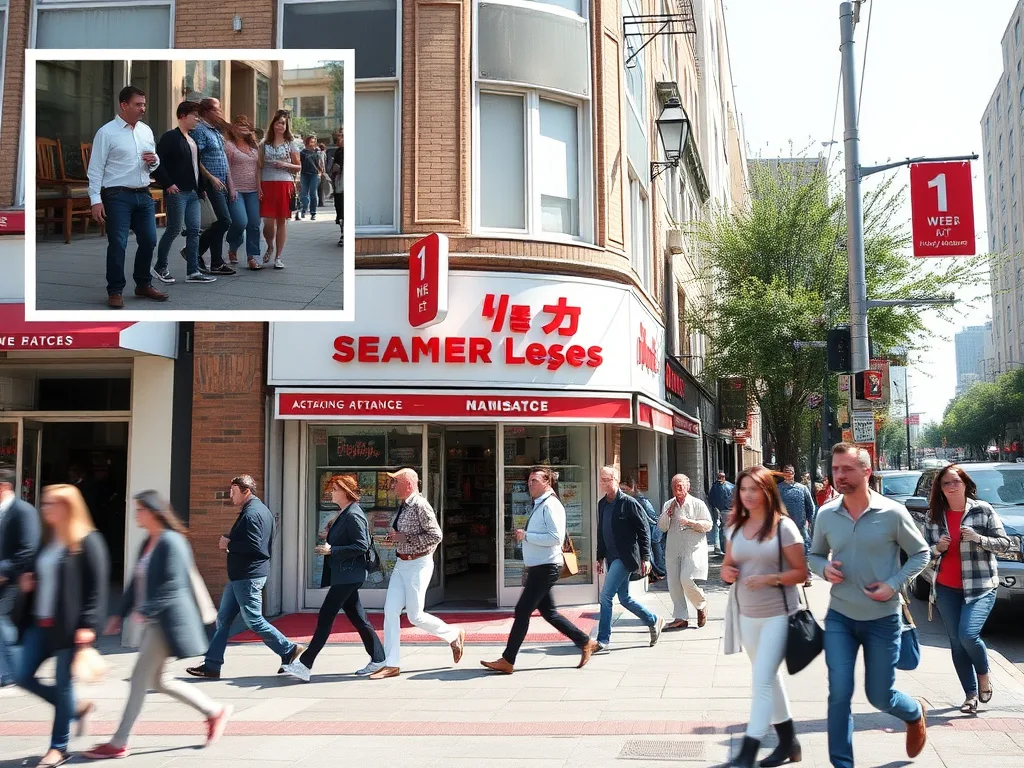
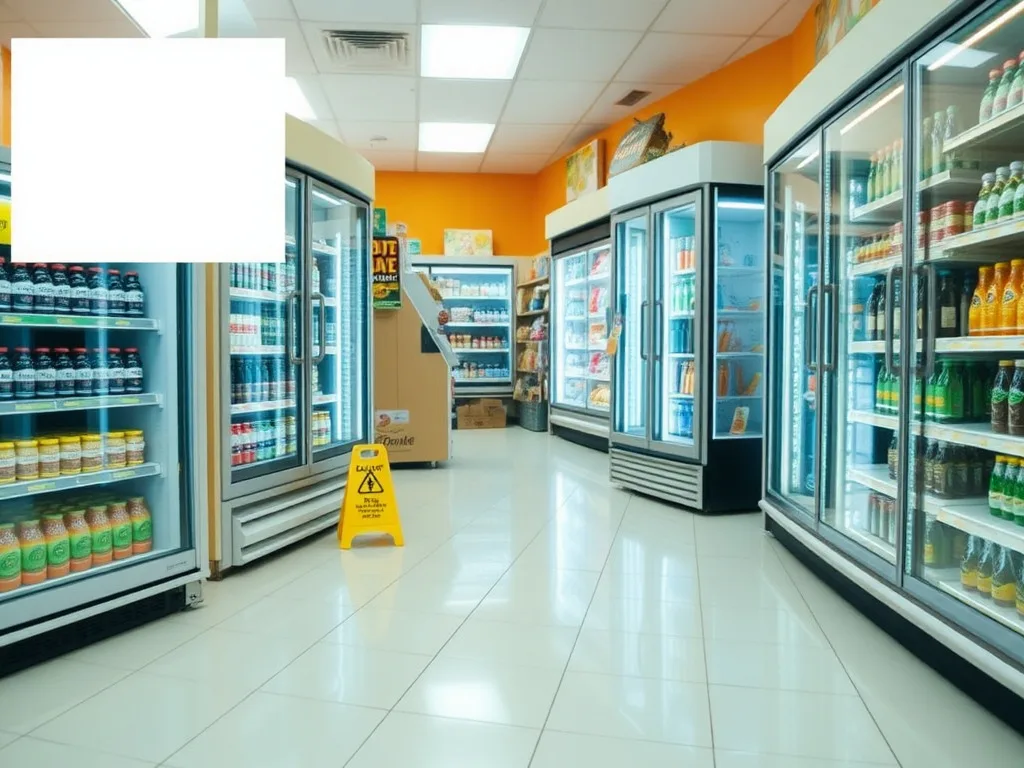
Every liability policy your bodega carries has a ceiling. General Liability, Liquor Liability, and commercial auto insurance are all written with a maximum dollar amount the insurer will pay per occurrence and per year. Most of the time that ceiling is more than enough. But a single severe incident — a customer who slips on a wet floor near the coolers and suffers a serious injury, a car accident involving a delivery vehicle, or an alcohol-related incident tied to a sale made at your counter — can produce a claim, judgment, or settlement that blows straight through those limits. When that happens, whatever is left unpaid becomes the store owner's personal responsibility, and it can threaten the business itself.
Commercial Umbrella Insurance is designed for exactly that scenario. It doesn't replace your underlying policies — it sits on top of them, adding an extra layer of liability limits (commonly $1,000,000, $2,000,000, or more) that kicks in once your General Liability, Liquor Liability, or auto coverage has been exhausted. For a bodega or convenience store, especially one operating in a high-traffic urban location, selling alcohol, or dealing with heavy pedestrian and vehicle activity around the property, that extra cushion is often the difference between absorbing a bad outcome and losing the store.
Bodegas carry a specific mix of exposures that make umbrella coverage worth a serious look: constant foot traffic in and out of tight aisles, wet floors from coolers and freezers, deliveries and parking lot activity, and — for stores licensed to sell beer, wine, or liquor — the added liability that comes with alcohol service. Any one of these can produce a claim large enough to test the limits of your base policies. Commercial Umbrella Insurance is the layer of protection that stands behind everything else you've already put in place.
What's covered
- Adds extra liability limits — typically $1,000,000 to $5,000,000 or more — above your General Liability, Liquor Liability, and commercial auto policies
- Protects personal and business assets from severe judgments that exceed underlying policy limits
- Covers the legal defense costs of a major claim even when the underlying policy's defense costs have been used up
- Broader protection for high-severity risks like slip-and-fall injuries, alcohol-related liability, and serious auto accidents involving store vehicles or deliveries
- Often required by commercial landlords, franchisors, or lenders as a condition of a lease or loan in high-traffic urban locations
- Relatively low annual cost compared to the size of the additional protection it provides
Ideal for stores that…
- Bodegas and convenience stores in high-traffic urban or high-density locations with heavy foot and vehicle traffic
- Stores licensed to sell beer, wine, or liquor that already carry Liquor Liability Insurance
- Businesses with delivery vehicles, parking lots, or loading areas that add auto and slip-and-fall exposure
- Owners who want to protect personal assets and business equity from a catastrophic, above-limits judgment
- Stores whose landlord, franchisor, or lender requires higher combined liability limits than the base GL policy provides
Why a Single Layer of Liability Coverage May Not Be Enough
General Liability Insurance, Liquor Liability Insurance, and commercial auto coverage each come with a set liability limit — often $1,000,000 per occurrence and a separate aggregate limit for the policy year. Those limits are chosen based on typical exposure, and for the overwhelming majority of claims they're more than sufficient. The problem is the exceptions.
A slip-and-fall claim involving a serious injury — a broken hip, a head injury, a permanent disability — can result in medical costs, lost wages, and pain-and-suffering awards that add up to far more than a standard General Liability limit. An alcohol-related incident where a store is found to have over-served or sold to a minor can trigger a dram shop claim with damages that stack quickly, especially if a third party was injured as a result. A commercial auto accident involving a delivery vehicle can bring in multiple injured parties, property damage, and legal fees that exceed the auto policy's limit in a single event.
When a claim exceeds the underlying policy's limit, the insurer for that policy pays up to its cap and stops. Everything beyond that becomes the responsibility of the business — and potentially the owner personally, depending on how the business is structured. Commercial Umbrella Insurance exists specifically to close that gap, stepping in once the underlying limit is reached and paying the excess up to the umbrella policy's own limit.
How Umbrella Coverage Works Alongside Your Existing Policies
An umbrella policy is not a standalone policy — it's built to sit above a set of underlying policies that you already carry, most commonly General Liability, Liquor Liability (if applicable), and commercial auto. To qualify for umbrella coverage, insurers typically require that those underlying policies carry certain minimum limits, since the umbrella is designed to extend coverage, not replace an inadequate base policy.
When a covered claim comes in, the underlying policy responds first. Its insurer investigates, defends the claim, and pays out up to its own limit. If the claim's total value exceeds that limit, the umbrella policy then picks up where the underlying policy left off, paying the remaining amount up to the umbrella's own limit. In some cases, an umbrella policy also provides broader coverage than the underlying policies for certain claims, effectively acting as its own primary coverage once the underlying limits are exhausted or if a gap exists in the underlying policy's terms.
This layered structure is what makes umbrella coverage efficient. Rather than buying a much higher limit on each individual policy — General Liability, Liquor Liability, and auto separately, which can get expensive — a single umbrella policy adds one shared layer of extra protection across all of them at a lower combined cost.
Because the umbrella limit is shared across all the underlying policies it sits above, it also gives an owner flexibility. A single severe year with one large auto claim doesn't use up a separate dedicated auto-only excess limit and leave the store's liability side unprotected — the umbrella's full limit is available regardless of which underlying policy triggered it, up to the policy's aggregate cap for the year.
High-Traffic Urban Locations and Elevated Slip-and-Fall Risk
Location matters enormously when it comes to liability exposure. A bodega in a dense urban neighborhood, near a subway stop, school, or busy commercial corridor, sees far more daily foot traffic than a store in a quieter setting. More foot traffic means more opportunities for a customer to slip on a wet floor near the beverage coolers, trip over a delivery pallet in a narrow aisle, or be injured navigating a crowded, tight retail space during a busy rush.
Slip-and-fall claims are among the most common — and potentially among the most severe — liability claims a bodega faces. A minor fall might result in a modest claim. But a serious fall involving an older customer, a fall onto a hard surface, or an injury that requires surgery or long-term care can produce a claim that runs into hundreds of thousands of dollars or more, well beyond what a base General Liability policy is designed to absorb on its own. For stores in high-traffic urban settings where this kind of exposure is a daily reality rather than an occasional risk, the extra limits an umbrella policy provides are a direct response to that elevated severity risk — not just a theoretical add-on.
Alcohol-Service Exposure Compounds the Risk
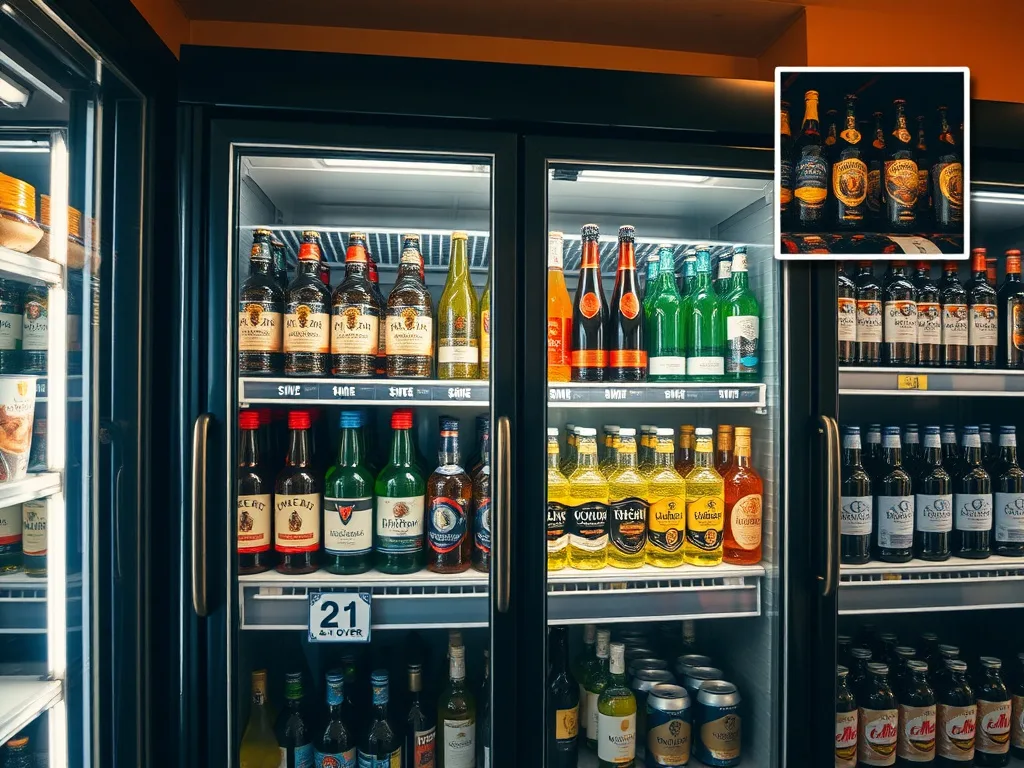
Bodegas and convenience stores licensed to sell beer, wine, or liquor carry Liquor Liability Insurance to address dram shop exposure — the legal responsibility a business can face if it sells alcohol to a minor or an intoxicated person who then causes harm. That coverage is essential and, in most states, required to obtain or renew a liquor license. But alcohol-related claims can escalate quickly when a third party is injured, and the resulting damages can exceed even a solid Liquor Liability limit.
A Commercial Umbrella policy extends on top of Liquor Liability coverage the same way it extends on top of General Liability, adding another layer of protection specifically for the scenario where an alcohol-related claim's total cost surpasses the underlying policy. For a store that both sells alcohol and sits in a high-traffic location — which describes a large share of urban bodegas — the combination of slip-and-fall exposure and alcohol-service exposure is exactly the kind of layered risk umbrella coverage is built to address.
Liquor licensing and dram shop rules vary by state, so specifics on server training requirements or liability thresholds should be confirmed with your state's ABC board or department of revenue. What stays consistent nationally is the value of having an extra liability layer in place before a severe claim tests your underlying limits.
It's also worth noting that alcohol-related claims often involve multiple injured parties — a fight, an impaired-driving accident after a sale, or an injury on the premises tied to intoxication — which can multiply the total damages far faster than a single-plaintiff slip-and-fall claim. That multiplying effect is another reason bodegas that sell alcohol, particularly in busy urban corridors with heavy foot and vehicle traffic late into the evening, tend to be among the businesses that benefit most from an added umbrella layer.
What an Umbrella Policy Typically Covers
Commercial Umbrella Insurance generally extends the same categories of liability covered by your underlying policies, at a higher combined limit. It's built to respond to the size of a claim, not to introduce entirely new categories of coverage on its own.
- Excess bodily injury liability once General Liability, Liquor Liability, or auto limits are exhausted
- Excess property damage liability for third-party property damaged in a covered incident
- Additional legal defense costs for large or complex claims and lawsuits
- Excess liability from covered auto accidents involving delivery or store vehicles
- Excess liability from covered alcohol-related incidents under an underlying Liquor Liability policy
What determines the cost of this coverage
Every bodega is different. Here's what typically moves the price of this coverage up or down.
Underlying policy limits
The higher and broader your existing General Liability, Liquor Liability, and auto limits, the more efficiently an umbrella policy can extend on top of them.
Umbrella limit selected
Typical options range from $1,000,000 up to $5,000,000 or more in additional coverage, with premium scaling accordingly.
Alcohol sales
Stores that sell beer, wine, or liquor carry additional liability exposure that factors into umbrella pricing alongside the underlying Liquor Liability policy.
Location and foot/vehicle traffic
High-traffic urban locations with heavy pedestrian and vehicle activity typically carry higher slip-and-fall and auto exposure, which can affect pricing.
FAQs about Commercial Umbrella
General Liability is the foundation, but it has a limit — usually $1,000,000 per occurrence. If a claim, such as a severe slip-and-fall injury, exceeds that limit, you're personally exposed to the remainder unless you have an umbrella policy to cover the excess. Umbrella coverage is an add-on, not a replacement, and it's specifically designed for the claims that are too large for your base policy alone.
An umbrella policy extends on top of your Liquor Liability policy the same way it extends on top of General Liability. If an alcohol-related claim exceeds your Liquor Liability limit, the umbrella policy pays the excess up to its own limit. This is especially relevant for bodegas selling beer, wine, or liquor in higher-traffic locations, where the combined exposure can be significant.
The right limit depends on your location, sales volume, whether you sell alcohol, and how much foot and vehicle traffic your store sees. Many bodegas start with a $1,000,000 umbrella policy and increase from there. A licensed agent can review your specific exposures and underlying policy limits and recommend an appropriate amount — request a free quote to get a number specific to your store.
In most cases, the umbrella policy responds after the underlying General Liability policy has paid out to its limit. The umbrella then covers the remaining amount up to its own limit. Some umbrella policies also provide coverage for certain gaps not addressed by the underlying policy, but the primary role is to extend limits on claims that are simply too large for the base policy.
Umbrella coverage is generally one of the more cost-efficient ways to add a large amount of liability protection, since it's priced against the combined risk of your underlying policies rather than as a standalone policy. Exact cost depends on your underlying limits, location, alcohol sales, and the umbrella limit you choose — contact us for a free quote tailored to your store.
Related coverages to consider
Get your free commercial umbrella quote
Tell us about your store and we'll put together a clear, no-obligation quote — coverage built around how a bodega actually operates.