How Much Does Bodega Insurance Cost? Complete Coverage Guide
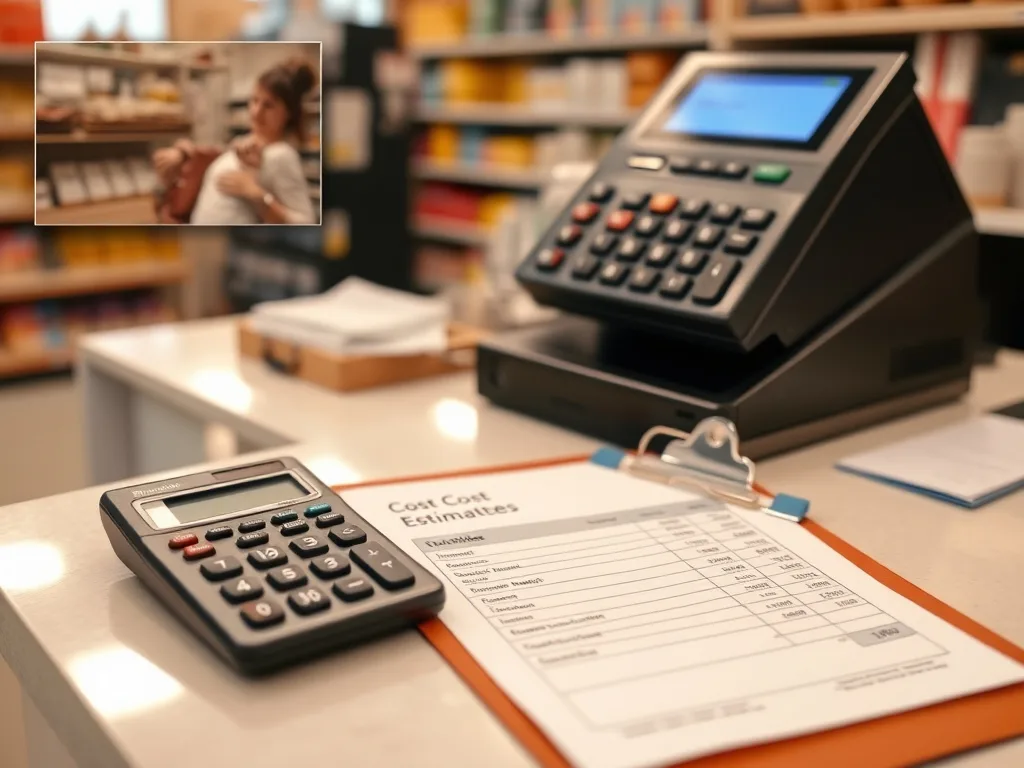
If you own or manage a bodega, corner store, or independent convenience market, one question always comes up first: how much does bodega insurance actually cost? The honest answer is that there is no single number — a policy for a small corner store in a quiet neighborhood looks very different from a 24-hour urban bodega that sells beer, wine, lottery tickets, and hot deli food. But real, usable cost ranges do exist, and once you understand how each coverage is priced, you can get a realistic sense of your total cost before you ever request a quote. This guide breaks down bodega insurance costs by coverage type, explains what drives your premium up or down, and walks through every coverage a bodega owner should understand before renewal or purchase.
The Short Answer: What Most Bodegas Pay Overall
Most small to mid-sized bodegas and convenience stores land somewhere between $1,000 and $3,000 or more per year for a core, BOP-style package that bundles general liability, commercial property, and business interruption coverage into a single policy. Where you fall in that range depends heavily on your location, your annual sales volume, how many employees you carry on payroll, and the size and condition of your store. That base package is only part of the picture, though. Bodegas typically layer on additional protection — commercial crime insurance, liquor liability if alcohol is sold, equipment breakdown coverage for the walk-in cooler and freezer, workers' compensation once there are employees on staff, and sometimes a commercial umbrella policy for extra liability limits. Each of those is priced separately and stacks on top of the base bundle, which is why two bodegas of similar size can end up with very different total premiums.
These figures are realistic industry ranges, not a quote. Bodegas vary enormously in size, location, alcohol sales, and staffing — the only way to know your exact number is a free, no-obligation quote at 844-967-5247 or josh@contractorschoiceagency.com.
What's Inside a Bodega's Core BOP-Style Package
When agents talk about the $1,000 to $3,000+ per year range, they're usually describing a package policy that bundles three coverages most bodegas need as their foundation: general liability, commercial property, and business interruption.
General Liability Insurance
General liability insurance is the base layer of almost every bodega insurance program, and it's usually the largest single piece of the core bundle's premium. It responds when a customer slips on a wet floor near the coolers, walks into a shelving display, or is hurt on an icy sidewalk out front. It also covers product liability exposure tied to the food and beverages sold in the store — a customer who gets sick from prepared deli food or a spoiled product can file a claim against the business, and general liability is what stands behind it. Beyond bodily injury, it covers third-party property damage the business accidentally causes, like a delivery mishap that damages a neighboring unit. Because a bodega is a high-foot-traffic retail environment with wet floors, ice near refrigeration units, and constant customer movement through tight aisles, this isn't a coverage to shop down on price alone — it's the policy that keeps a single slip-and-fall claim from becoming an existential threat to the business.
Commercial Property Insurance
Commercial property insurance protects the physical assets that make a bodega run: the building itself if it's owned, and — whether owned or leased — the inventory (groceries, tobacco, lottery stock, beer and wine), walk-in coolers and freezers, shelving and fixtures, signage, and cash registers or point-of-sale equipment. If a fire breaks out in the back room, a winter storm damages the roof, vandals break a storefront window, or a burst pipe floods the stockroom overnight, commercial property coverage is what pays to repair the space and replace the damaged inventory and equipment. For a bodega carrying thousands of dollars in perishable and high-turnover stock at any given time, this coverage is what keeps a single bad night from wiping out the store's working capital.
Business Interruption (Business Income) Insurance
Business interruption insurance, sometimes called business income coverage, is the piece owners most often underestimate — right up until they need it. If a covered event like a robbery, a fire, or a major equipment failure forces the store to close temporarily, this coverage replaces the income lost while the business can't operate and helps cover ongoing expenses like rent and payroll that don't stop just because the doors are closed. Bodegas are particularly exposed here: a single armed robbery that damages the point-of-sale system and rattles staff, or a compressor failure that takes out the entire cold-storage section, can shut a small store down for days or weeks. Without business interruption coverage, that downtime comes directly out of the owner's pocket even while commercial property insurance is separately paying to fix the physical damage.
Add-On and Stand-Alone Coverages — And What They Cost
Beyond the core bundle, several additional coverages are either essential for most bodegas or required outright depending on what's sold and how many people are employed. These are priced and purchased separately from the base package.
Commercial Crime Insurance (Theft & Robbery)
Commercial crime insurance is the coverage every bodega owner should understand first, because convenience-style retail is consistently cited as one of the most frequently robbed categories of small business. The combination of cash on hand, high-value and high-turnover inventory like cigarettes, lottery tickets, and beer and wine, long or overnight hours, and frequently solo staffing makes bodegas a documented target for robbery and burglary in a way that many other small businesses simply aren't. Crime coverage responds to armed robbery and burglary losses of cash and merchandise, employee dishonesty and till-tapping, forgery, safe-cracking, and loss of money and securities. Unlike the BOP bundle, crime insurance pricing varies widely from store to store because it's driven almost entirely by the coverage limit selected — how much cash and merchandise protection is needed in a single loss — rather than a flat rate. A store that keeps minimal cash on hand and uses a drop safe will price very differently than a 24-hour location handling significant daily cash volume. Given how central this exposure is to the bodega business model, it's worth treating as a lead coverage rather than an afterthought, not a box to check last.
Equipment Breakdown Insurance
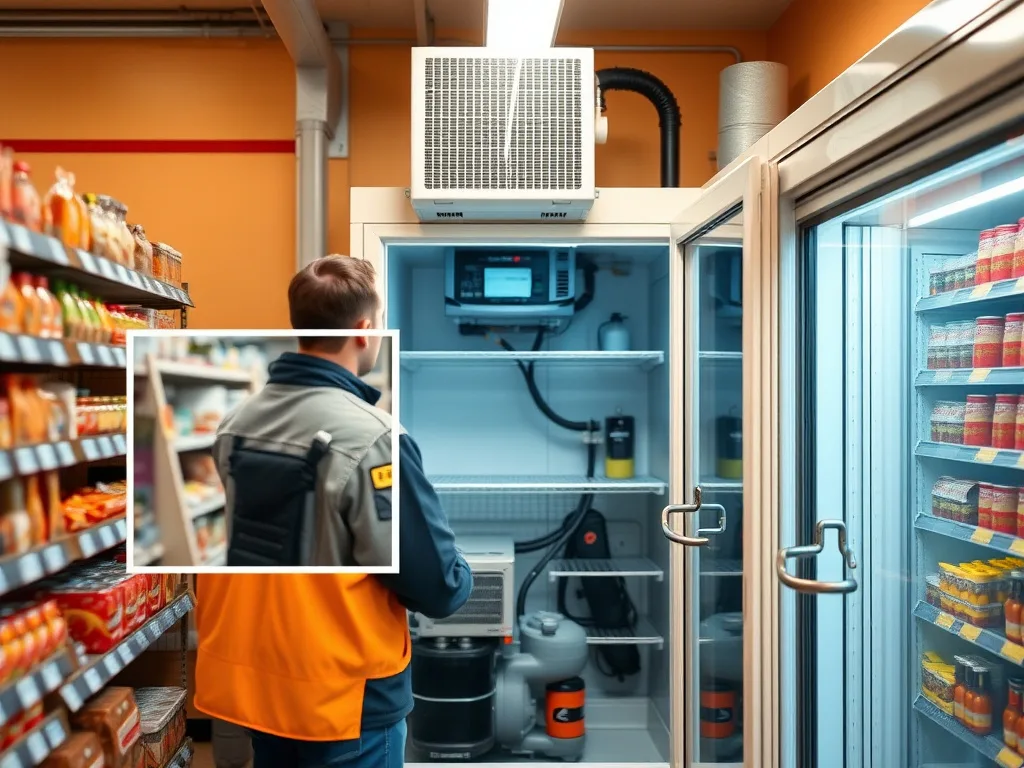
Equipment breakdown insurance is one of the least expensive additions to a bodega policy relative to what it protects — commonly running in the range of about $100 to $500 per year as an endorsement. It covers the mechanical and electrical breakdown of equipment that commercial property insurance specifically excludes: walk-in cooler and freezer compressor failures, refrigeration unit breakdowns, HVAC failures, and POS or cash register system failures. That distinction matters. Property insurance responds to fire, storm, and vandalism — it does not pay when a compressor simply burns out from wear or an electrical short takes out refrigeration overnight. Equipment breakdown fills that gap, covering repair or replacement costs, the spoiled perishable and frozen inventory that follows a cooling failure, and lost income during the downtime. For a store where a single walk-in cooler can hold thousands of dollars of perishable inventory, this modest annual cost is one of the highest-value coverages a bodega can carry.
Liquor Liability Insurance
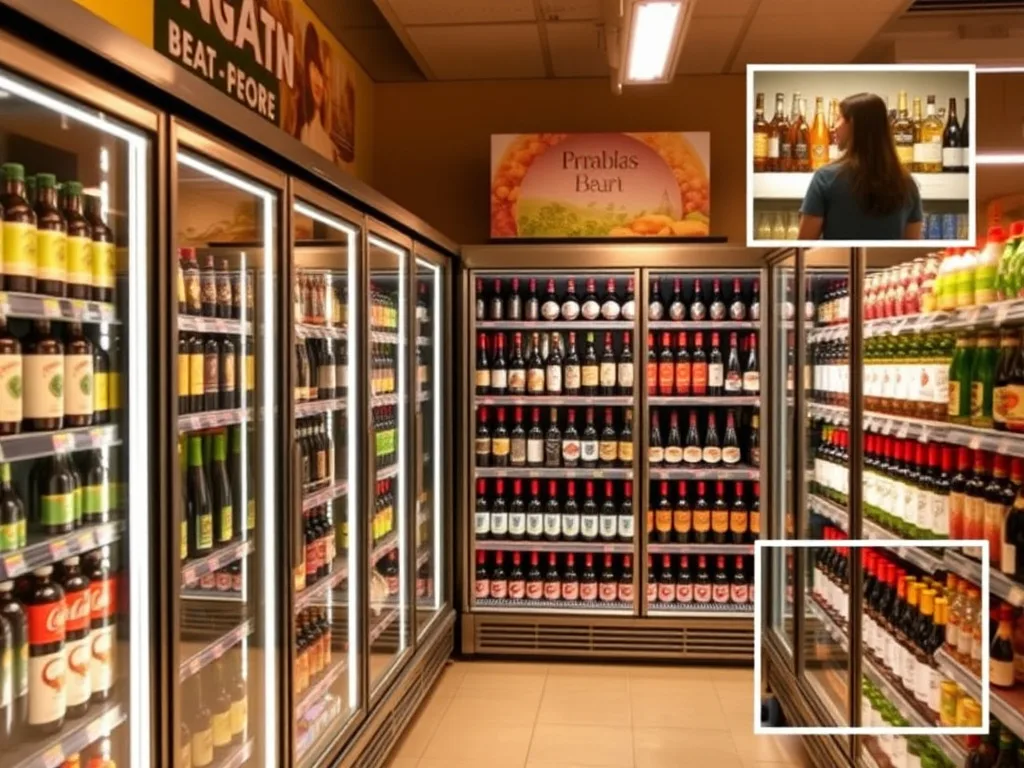
If a bodega is licensed to sell beer, wine, or, where permitted, liquor, liquor liability insurance is a near-essential add-on, commonly priced in the $500 to $2,000 or more per year range depending on alcohol sales volume, hours, and state. It covers dram shop exposure — liability that arises when an intoxicated customer who was served goes on to cause injury or property damage, whether to themselves or a third party. In many states, carrying liquor liability coverage isn't optional in a practical sense either; it's frequently required to obtain or renew a state liquor license in the first place. Because dram shop laws and licensing requirements vary meaningfully from state to state, this is one area where it's worth confirming specifics with the relevant state's ABC board or department of revenue rather than relying on a general rule — but the underlying insurance need is consistent everywhere alcohol is sold over the counter.
Workers' Compensation Insurance
Workers' compensation insurance covers medical costs and lost wages for cashiers, stock clerks, and deli or prep staff who are injured on the job, and it's required by law in most states the moment a bodega has even one employee. Unlike the other coverages on this list, workers' comp isn't priced as a flat annual fee — it's calculated primarily from the state's rate per $100 of payroll for the specific class code employees fall under, total payroll, claims history, and the state's regulatory environment. That means the real cost driver here is less about the store itself and more about how many people are employed and what they're paid. A store with two part-time cashiers will see a very different premium than one running a full deli counter with several full-time staff. Because rates differ so much state to state, this is one coverage where a specific quote based on actual payroll and location is far more useful than any general range.
Commercial Umbrella Insurance
Commercial umbrella insurance sits on top of other liability coverages — general liability, liquor liability, and commercial auto where applicable — adding an extra layer of liability limits once the underlying policy's limit is exhausted. It doesn't replace those policies; it extends them. For bodegas in high-traffic urban locations, where slip-and-fall severity and alcohol-service exposure both run higher, a single serious injury claim or lawsuit can realistically exceed a standard general liability limit. An umbrella policy is what stands behind the business when that happens, protecting personal and business assets from a judgment that would otherwise blow through the underlying coverage. Because umbrella pricing is layered on top of, and priced relative to, existing liability limits and overall risk profile, it's best quoted alongside general liability and liquor liability rather than estimated in isolation.
What Actually Drives Your Bodega's Premium Up or Down
Once each coverage is understood in isolation, the next question is why two bodegas with similar square footage can end up with very different total premiums. Five factors do most of the work.
Location
Where a store sits matters more than almost any other factor. Urban locations with higher crime rates typically see higher crime and liability premiums, while state-level regulatory and litigation environments affect general liability and liquor liability pricing significantly. Local construction costs and weather exposure — hurricane, hail, and winter storm risk — also shape commercial property rates. Because this is a national guide, treat any range here as a starting point; a store's specific location is one of the first things an agent will factor into a real quote.
Sales Volume
Higher annual sales volume generally means more cash moving through the store, more inventory on hand at any given time, and higher potential loss exposure across crime, property, and business interruption coverage alike. A high-volume 24-hour bodega with a full deli counter carries meaningfully more exposure than a smaller, lower-traffic corner store, and premiums reflect that difference across nearly every coverage line.
Number of Employees
Employee count drives workers' compensation cost directly, but it also touches other coverages. More employees mean more potential points of exposure for the employee dishonesty portion of crime coverage, and general liability considerations shift as staffing levels and supervision on the floor change. A solo-owner-operated store and a store running multiple shifts of cashiers and stock staff will price differently across several coverages, not just workers' comp.
Whether You Sell Alcohol
Selling beer, wine, or liquor is what triggers the need for liquor liability coverage in the first place, and it's also a factor underwriters weigh when pricing general liability and umbrella coverage, since alcohol service tends to correlate with higher-severity liability claims. A dry corner store and a bodega with a full beer and wine section behind the counter are simply different risk profiles, and the insurance program should reflect that difference.
Building Ownership vs. Leasing
Whether a store owns its building or leases its space changes what commercial property coverage needs to include. Owners need coverage for the structure itself in addition to inventory, equipment, and fixtures, while tenants typically need coverage focused on business personal property — inventory, coolers, shelving, POS equipment — along with liability limits that satisfy whatever the lease requires. Leases frequently specify minimum general liability limits and sometimes require the landlord to be named as an additional insured, so it's worth reviewing lease language before finalizing coverage.
Getting an Accurate Number for Your Store
Every range in this guide is a realistic starting point built from real cost patterns across bodegas and convenience stores nationally — not a quote, and not a substitute for one. The only way to know what a specific store will actually pay is to walk through location, sales volume, staffing, alcohol sales, and building ownership status with an agent who understands this niche. Contractors Choice Agency works with bodegas and independent convenience stores across the country and can put together a package that covers general liability, commercial property, business interruption, commercial crime, liquor liability where applicable, equipment breakdown, workers' compensation, and commercial umbrella limits — bundled or built out coverage by coverage, depending on what the store needs.
Ready to see real numbers for your bodega? Call 844-967-5247 or email josh@contractorschoiceagency.com for a free, no-obligation quote.
Frequently asked questions
Monthly cost depends on which coverages are carried and how they're billed, but annualizing the typical BOP-style bundle range of $1,000 to $3,000+ per year works out to roughly $85 to $250 or more per month for the core package alone, before add-ons like liquor liability, crime coverage, equipment breakdown, or workers' compensation are factored in. Stores that carry alcohol, employ several staff, or operate in higher-crime urban areas will typically land toward the higher end or above it once every coverage is added together.
Some coverages are legally required and others are effectively required by circumstances. Workers' compensation is required by law in most states once there's even one employee. Liquor liability is frequently required, or effectively required, to obtain or renew a state liquor license if alcohol is sold. General liability, commercial property, and the other coverages in this guide aren't usually mandated by state law directly, but they're commonly required by commercial leases, landlords, lenders, or supplier agreements — and operating without them exposes the business directly to any loss.
General liability is a single coverage that responds to third-party bodily injury and property damage claims, like a customer slip-and-fall or a product liability claim. A BOP-style package bundles general liability together with commercial property and business interruption coverage into one policy, usually at a lower combined cost than buying each separately. Most bodegas build their program around a BOP-style bundle and then add crime, liquor liability, equipment breakdown, workers' compensation, and umbrella coverage on top as needed.
Convenience-style retail is consistently cited as one of the most frequently robbed categories of small business, driven by a combination of cash on hand, high-turnover inventory like cigarettes, lottery tickets, and alcohol, long or overnight operating hours, and often solo staffing. That combination of factors makes commercial crime insurance a foundational coverage for bodegas rather than an optional extra, which is why it's treated as a lead coverage throughout this guide rather than folded quietly into the background.
Yes. Dram shop exposure and liquor liability requirements are typically triggered by selling any alcohol for off-premises consumption, including beer and wine, not just hard liquor or on-premises drinking. Requirements and dram shop law specifics vary by state, so it's worth checking with the relevant state's ABC board or department of revenue for the exact rules that apply to a given license type, but the underlying insurance need applies broadly to any bodega with alcohol on the shelves.
Without equipment breakdown coverage, a compressor failure or refrigeration breakdown is generally not covered by a standard commercial property policy, which typically excludes internal mechanical and electrical failure. That means the repair or replacement cost, the spoiled perishable and frozen inventory, and any lost income during downtime would come directly out of pocket. Given that equipment breakdown coverage commonly costs only about $100 to $500 per year, it's one of the highest-value, lowest-cost additions available to a bodega.
Most bodegas start with a BOP-style package that bundles general liability, commercial property, and business interruption, then layer commercial crime, liquor liability, equipment breakdown, workers' compensation, and commercial umbrella coverage on top based on what the store actually needs — whether alcohol is sold, how many employees are on staff, and whether the building is owned or leased. An agent familiar with bodegas and convenience stores can review the specific operation and put together a single coordinated program rather than a patchwork of separate, overlapping policies. Call 844-967-5247 or email josh@contractorschoiceagency.com to get started.
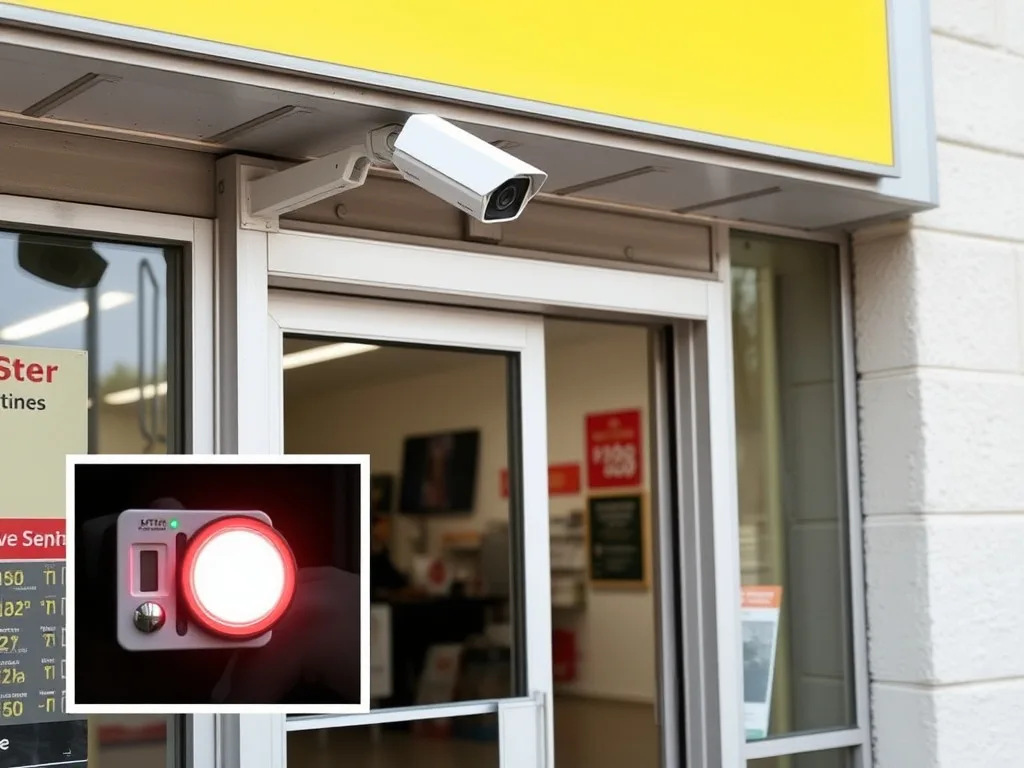
Many carriers offer credits or more favorable crime insurance pricing for stores that demonstrate loss-control measures like security cameras, adequate lighting, a drop safe or time-delay safe, and documented cash-handling procedures, since these measures reduce both the frequency and severity of robbery and burglary losses. The specific credit varies by carrier, so it's worth mentioning the store's security setup directly when requesting a quote.
More bodega insurance guides
Ready for a real quote on your bodega's coverage?
Tell us about your store and we'll build a policy around how it actually operates — no generic templates, no guesswork.