Commercial Crime Insurance for Bodegas (Theft & Robbery)
Commercial crime insurance covers the cash, merchandise, and money losses that general liability and property policies leave out — robbery, burglary, employee dishonesty, forgery, and safe burglary — making it the defining coverage for bodegas and convenience stores.
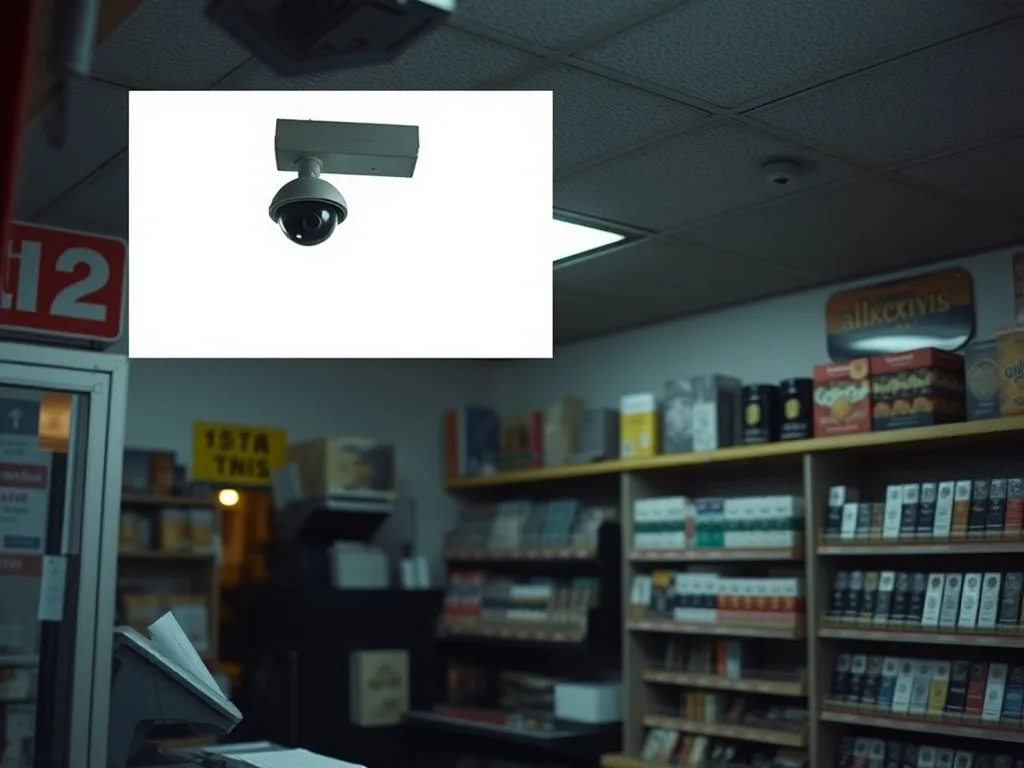
Convenience-style retail is consistently cited as one of the most frequently robbed categories of small business, and it isn't hard to see why. Bodegas handle significant amounts of cash across long or overnight hours, often with a single employee behind the counter, and they stock exactly the kind of high-turnover, easy-to-resell inventory — cigarettes, lottery tickets, beer and wine — that makes them an attractive target for robbery and burglary. For most bodega owners, the question isn't whether a crime exposure exists, it's whether the business is actually covered for it.
That's where commercial crime insurance comes in. A standard general liability policy protects you if a customer is injured on your premises, and a commercial property policy protects your building and inventory from fire, storm, or vandalism — but neither one is built to pay out when someone empties your register at gunpoint, cracks your safe overnight, or an employee quietly skims cash from the till over several months. Commercial crime insurance fills that specific gap, covering the loss of money, securities, and merchandise to theft, robbery, burglary, and employee dishonesty.
Because this exposure is so central to how bodegas operate, we treat commercial crime coverage as the lead, defining coverage on every policy package we build for convenience-store owners — not an afterthought bolted onto a generic small-business policy. Contractors Choice Agency (CCA) works with bodega and convenience-store owners nationwide to structure crime coverage around real operating conditions: cash volume, hours, staffing, and prior loss history. Call 844-967-5247 or email josh@contractorschoiceagency.com for a free, no-obligation quote.
It's also worth separating the two very different kinds of crime exposure a bodega carries, because they call for different protections within the same policy. There's the visible, external threat — an armed robbery at the register or a nighttime break-in through a back door or roll-down gate — and there's the quieter, internal threat of an employee gradually skimming cash or manipulating the register over weeks or months before anyone notices a pattern. A generic small-business policy that only nods at "theft" in passing rarely distinguishes between these, which is exactly how gaps end up in a bodega's protection without the owner realizing it until a loss happens.
What's covered
- Covers robbery and burglary of cash and merchandise both inside the store and en route to the bank
- Protects against employee dishonesty, till-tapping, and internal embezzlement schemes
- Includes forgery and alteration coverage for fraudulent checks and payment instruments
- Covers safe burglary and safecracking losses when a locked safe is broken into
- Extends to loss of money and securities on premises, in transit, and at night depositories
- Fills the exact gap left open by general liability and commercial property policies, which exclude crime losses
Ideal for stores that…
- Bodegas and convenience stores that handle substantial daily or weekly cash volume
- Stores open late, overnight, or staffed by a single employee for part of the day
- Retailers stocking high-theft, easily resold inventory such as cigarettes, lottery, and beer/wine
- Owners operating in urban or high-traffic corridors with elevated robbery/burglary exposure
- Businesses that have experienced a prior robbery, burglary, or internal theft incident
- Multi-register or multi-employee operations that want protection against internal dishonesty, not just outside criminals
Why Bodegas Are a Frequent Target
A handful of operating realities make bodegas and small convenience stores a recurring target for robbery and burglary. Cash is still king at the register — lottery, cigarettes, and small daily purchases mean a steady flow of bills in and out of the drawer, and that cash is visible and accessible to anyone walking in. Add long hours (many bodegas open early and close late, some run 24 hours) and frequent solo staffing, and you have a business that's often less guarded, later at night, than a big-box retailer with multiple employees and security staff on shift.
Inventory adds a second layer of exposure. Cigarettes, vape products, lottery tickets, and beer/wine are compact, high-value, and easy to resell — exactly the profile that makes a convenience store more attractive to a burglar than, say, a furniture store. Location compounds both factors: bodegas are frequently sited on high-traffic urban corners specifically because that foot traffic drives sales, but the same visibility and easy street access that make the location profitable also make it easier for someone to walk in, act quickly, and walk out.
None of this means every bodega will experience a robbery or burglary. It means the baseline exposure is structurally higher than it is for many other small businesses, which is why crime coverage deserves to be treated as a primary policy decision rather than an optional add-on. Owners who've operated for years without an incident sometimes assume that pattern will continue indefinitely; insurers and loss-control professionals generally treat that as favorable claims history, not as a reason to skip coverage altogether.
What Commercial Crime Insurance Covers
Insurance policies draw a sharp line between robbery and burglary, and understanding that distinction helps explain why a well-built crime policy covers both rather than treating "theft" as a single catch-all peril. Robbery generally means property is taken from a person by force, threat of violence, or a weapon — the classic armed hold-up at the register, or a clerk forced to open the safe at gunpoint. Burglary, by contrast, typically means unlawful entry into the premises (or a locked safe) using visible signs of forced entry, usually while the business is closed and no one is present. Both scenarios result in the same practical loss — cash or merchandise gone — but a policy needs language addressing each. Commercial crime insurance is built around several distinct perils, and a well-structured policy addresses each of them rather than assuming one blanket "theft" clause covers everything:
- Robbery of cash and merchandise — loss of money, securities, or property taken by force, threat of force, or violence, whether from an employee, the premises, or a night depository
- Burglary — loss from forced, visible entry into the store or a locked safe/vault when the business is closed
- Employee dishonesty — theft, till-tapping, skimming, or embezzlement committed by an employee, acting alone or in collusion with others
- Forgery and alteration — losses from forged or altered checks, drafts, or other financial instruments accepted in good faith
- Safe burglary (safecracking) — damage to and loss of contents from a locked safe that is broken into, as opposed to simply left open or unlocked
- Money and securities coverage — loss of cash, checks, and other financial instruments on the premises, in a night depository, or in transit to or from the bank
How Crime Coverage Works Alongside Property and Liability Insurance
One of the most common misconceptions bodega owners have is that a commercial property policy already covers theft. It doesn't — or at least not the way most owners assume. Property insurance is built to respond to fire, storm damage, burst pipes, and vandalism to the building and its contents; most property forms explicitly exclude or sharply limit loss of money and securities and employee theft, which is precisely the gap commercial crime insurance is designed to close.
General liability insurance serves a completely different purpose: it protects you when a third party — a customer, vendor, or passerby — is injured or has property damaged because of your business operations. It has nothing to do with a robber taking cash from your register or an employee shorting the till. Because these three coverages (property, liability, and crime) each respond to a different kind of loss, most bodega owners end up bundling general liability and commercial property into a package policy (often a BOP-style bundle) and adding commercial crime coverage as a distinct endorsement or standalone policy sized to their actual cash and inventory exposure.
Choosing the Right Coverage Limits
Crime coverage isn't one-size-fits-all, and the right limit depends heavily on how your bodega actually operates day to day. A few factors matter most when sizing a policy:
- Average cash on hand between bank deposits, and how frequently deposits are made
- Whether the store carries a rated safe, and if so, its burglary rating
- Number of employees with register or safe access, which affects employee dishonesty exposure
- Hours of operation and staffing levels overnight or during high-risk periods
- Presence of alarm systems, security cameras, and other loss-control measures, which insurers often view favorably
- Any prior robbery, burglary, or internal theft history
Filing a Claim After a Robbery or Burglary
If your bodega experiences a robbery or burglary, the steps you take in the first hours matter for both your safety and your claim. Contact law enforcement immediately and get an official police report — nearly every crime insurance claim requires one. Preserve any security camera footage before it's overwritten, and avoid disturbing the scene of a break-in more than necessary. Document the loss as specifically as you can: cash drawer counts, inventory taken, and any damage to the safe, doors, or windows.
From there, notify your insurance agent as soon as possible to open the claim and get guidance on documentation the adjuster will need, such as point-of-sale records, deposit slips, and inventory logs. Having clean, consistent cash-handling and inventory records in place before an incident happens — not just after — is one of the biggest factors in a smooth, fully-supported claim.
Prevention and coverage work together, not against each other. Basic loss-control habits — limiting the cash kept in the register at any given time, making bank deposits on a regular schedule rather than letting cash build up, keeping camera systems in working order and footage retained long enough to be useful, and training staff on de-escalation during a robbery — won't eliminate the risk of a robbery or burglary, but they do reduce both the frequency and severity of losses, and insurers frequently take these practices into account when quoting a policy.
What determines the cost of this coverage
Every bodega is different. Here's what typically moves the price of this coverage up or down.
Coverage limit selected
Crime coverage is priced around the specific limit you choose for money, securities, and merchandise loss — higher limits for higher average cash-on-hand cost more, but underinsuring against your real exposure defeats the purpose of the policy.
Cash handling and deposit frequency
Stores that carry large amounts of cash between bank deposits, or make deposits infrequently, represent a larger loss potential and typically see this reflected in premium.
Number of employees with cash or safe access
Employee dishonesty exposure scales with the number of people who can access the register or safe, which insurers factor into pricing alongside hiring and internal-control practices.
Safe rating, security systems, and loss history
A properly rated, bolted-down safe, working alarm and camera systems, and a clean claims history can meaningfully improve pricing; a prior robbery or burglary may increase it.
FAQs about Commercial Crime Insurance
Not in the way most owners expect. Property insurance is built for fire, storm, and physical damage to the building and its contents, and most property forms exclude or sharply limit loss of money, securities, and employee theft. Commercial crime insurance is a separate coverage specifically designed to respond to robbery, burglary, employee dishonesty, and related losses.
Yes. Employee dishonesty coverage — including till-tapping, skimming, and embezzlement by an employee acting alone or with others — is one of the core perils built into a commercial crime policy, alongside robbery and burglary from outside parties.
It depends on your average cash on hand, how often you make bank deposits, your safe rating, and how many employees have register or safe access. Because crime coverage varies widely by the limit chosen, the most reliable way to size it correctly is to walk through your actual cash-handling practices with an agent rather than picking a generic limit.
Yes, safecracking (safe burglary) is a standard peril under commercial crime insurance, covering both the damage to the safe and the loss of its contents when there's evidence of forced entry. This is distinct from a safe that was simply left unlocked or open.
Call law enforcement right away and obtain a police report, preserve security camera footage before it's overwritten, and document the cash and merchandise loss as specifically as possible. Then contact your insurance agent promptly to open the claim — clean documentation and a quick report are the biggest factors in a smooth claims process.
Related coverages to consider


Get your free commercial crime insurance quote
Tell us about your store and we'll put together a clear, no-obligation quote — coverage built around how a bodega actually operates.